Steel weight calculator
Weight of steel plates, bars, pipes, tubes, angles, channels and beams in kg or lb, for any length and number of pieces. Also works for stainless steel, aluminum, copper and brass.
How to use the steel weight calculator
- Choose the shape: plate, round, square, flat or hexagon bar, round, square or rectangular tube, angle, channel or beam, or pick a standard rolled section such as ISMB 200, W8x31 or IPE 200.
- Enter the dimensions in millimetres or inches. The diagram shows which dimension is which. Pick the material if it is not carbon steel.
- Enter the length and number of pieces. The total weight updates as you type, in kg, lb and tonnes, with the weight per metre and per foot. Add a price per kg or lb to estimate the cost.
Worked examples
Steel plate 10 × 1500 × 3000 mm
10 mm × 1.5 m × 3 m × 7.85 kg/(m²·mm)
= 353.3 kg (779 lb)
Round bar 25 mm, 6 m long
π × 25² ÷ 4 = 490.9 mm² × 0.00785 = 3.853 kg/m
× 6 m = 23.12 kg, or 25² ÷ 162 × 6 = 23.15 kg by the bar rule
4 inch Schedule 40 pipe, 21 ft
10.69 × (4.5 − 0.237) × 0.237 = 10.80 lb/ft
× 21 ft = 227 lb (102.9 kg). All 4" schedules
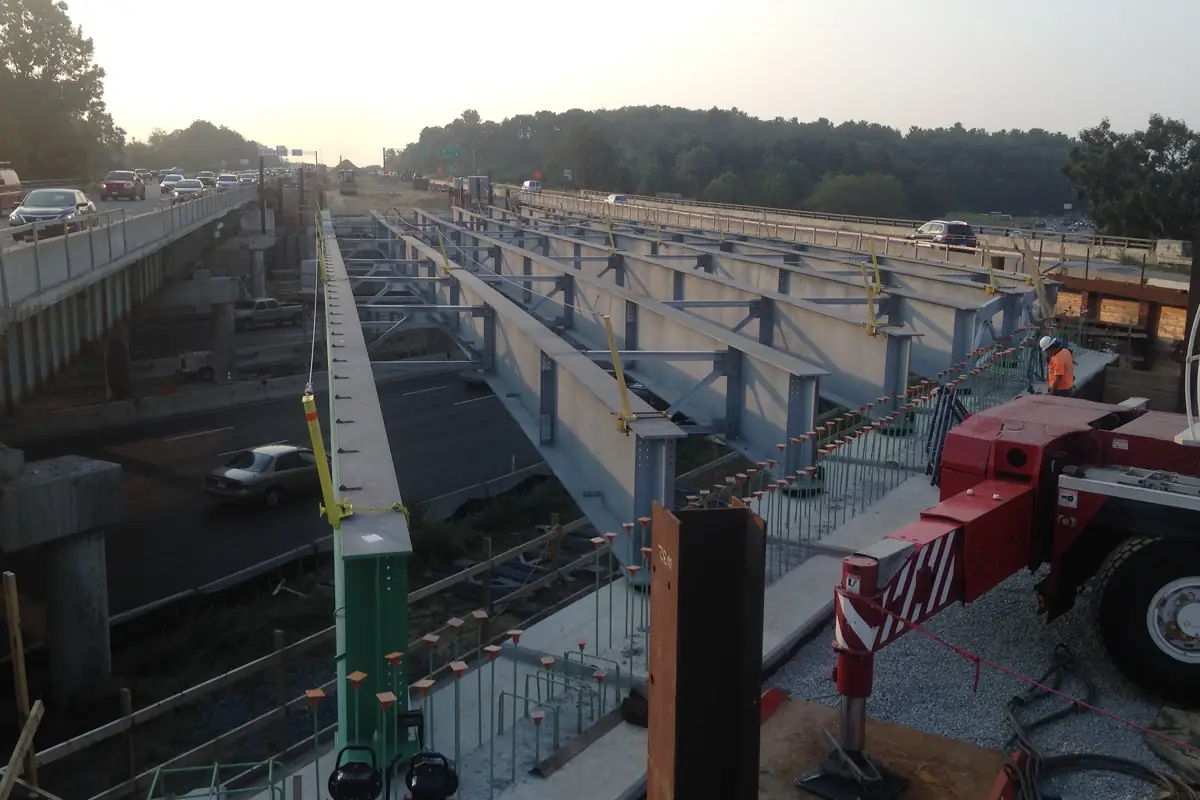
Round bar weight chart
| Diameter | kg/m | lb/ft | 6 m bar (kg) |
|---|---|---|---|
| 6 mm | 0.222 | 0.149 | 1.33 |
| 8 mm | 0.395 | 0.265 | 2.37 |
| 10 mm | 0.617 | 0.414 | 3.70 |
| 12 mm | 0.888 | 0.597 | 5.33 |
| 16 mm | 1.578 | 1.061 | 9.47 |
| 20 mm | 2.466 | 1.657 | 14.80 |
| 25 mm | 3.853 | 2.589 | 23.12 |
| 32 mm | 6.313 | 4.242 | 37.88 |
| 40 mm | 9.865 | 6.629 | 59.19 |
| 50 mm | 15.413 | 10.357 | 92.48 |
| 63 mm | 24.470 | 16.443 | 146.82 |
| 75 mm | 34.680 | 23.304 | 208.08 |
| 100 mm | 61.654 | 41.429 | 369.92 |
Square bar weight chart
| Side | kg/m | lb/ft | 6 m bar (kg) |
|---|---|---|---|
| 10 × 10 mm | 0.785 | 0.527 | 4.71 |
| 12 × 12 mm | 1.130 | 0.760 | 6.78 |
| 16 × 16 mm | 2.010 | 1.350 | 12.06 |
| 20 × 20 mm | 3.140 | 2.110 | 18.84 |
| 25 × 25 mm | 4.906 | 3.297 | 29.44 |
| 32 × 32 mm | 8.038 | 5.402 | 48.23 |
| 40 × 40 mm | 12.560 | 8.440 | 75.36 |
| 50 × 50 mm | 19.625 | 13.187 | 117.75 |
| 63 × 63 mm | 31.157 | 20.936 | 186.94 |
| 75 × 75 mm | 44.156 | 29.672 | 264.94 |
| 100 × 100 mm | 78.500 | 52.750 | 471.00 |
Flat bar weight chart (kg/m)
| Width ↓ / thickness → | 3 mm | 5 mm | 6 mm | 8 mm | 10 mm | 12 mm |
|---|---|---|---|---|---|---|
| 20 mm | 0.47 | 0.78 | 0.94 | 1.26 | 1.57 | 1.88 |
| 25 mm | 0.59 | 0.98 | 1.18 | 1.57 | 1.96 | 2.36 |
| 32 mm | 0.75 | 1.26 | 1.51 | 2.01 | 2.51 | 3.01 |
| 40 mm | 0.94 | 1.57 | 1.88 | 2.51 | 3.14 | 3.77 |
| 50 mm | 1.18 | 1.96 | 2.36 | 3.14 | 3.93 | 4.71 |
| 65 mm | 1.53 | 2.55 | 3.06 | 4.08 | 5.10 | 6.12 |
| 75 mm | 1.77 | 2.94 | 3.53 | 4.71 | 5.89 | 7.06 |
| 100 mm | 2.36 | 3.93 | 4.71 | 6.28 | 7.85 | 9.42 |
| 150 mm | 3.53 | 5.89 | 7.06 | 9.42 | 11.77 | 14.13 |
Mild steel flats (MS flat) at 7850 kg/m³. Multiply by 1.01 for stainless steel 304 and by 0.344 for aluminum. Full MS flat chart up to 300 mm · MS square pipe chart · HSS square tubing chart
Steel plate weight per square metre
| Thickness | kg/m² | lb/ft² | 1250 × 2500 sheet (kg) | 4 × 8 ft sheet (lb) |
|---|---|---|---|---|
| 2 mm | 15.70 | 3.22 | 49.1 | 102.9 |
| 3 mm | 23.55 | 4.82 | 73.6 | 154.3 |
| 5 mm | 39.25 | 8.04 | 122.7 | 257.2 |
| 6 mm | 47.10 | 9.65 | 147.2 | 308.7 |
| 8 mm | 62.80 | 12.86 | 196.3 | 411.6 |
| 10 mm | 78.50 | 16.08 | 245.3 | 514.5 |
| 12 mm | 94.20 | 19.29 | 294.4 | 617.4 |
| 16 mm | 125.60 | 25.72 | 392.5 | 823.2 |
| 20 mm | 157.00 | 32.16 | 490.6 | 1,029.0 |
| 25 mm | 196.25 | 40.20 | 613.3 | 1,286.2 |
Full plate weight chart, including inch plates
Pipe weight per foot (Schedule 40 and 80)
| NPS | OD (in) | Sch 40 lb/ft | Sch 80 lb/ft | Sch 40 kg/m |
|---|---|---|---|---|
| 1/2" | 0.84 | 0.85 | 1.09 | 1.27 |
| 3/4" | 1.05 | 1.13 | 1.48 | 1.68 |
| 1" | 1.315 | 1.68 | 2.17 | 2.50 |
| 1 1/2" | 1.9 | 2.72 | 3.63 | 4.05 |
| 2" | 2.375 | 3.66 | 5.03 | 5.44 |
| 3" | 3.5 | 7.58 | 10.26 | 11.29 |
| 4" | 4.5 | 10.80 | 15.00 | 16.07 |
| 6" | 6.625 | 18.99 | 28.60 | 28.27 |
| 8" | 8.625 | 28.58 | 43.43 | 42.54 |
| 10" | 10.75 | 40.52 | 64.49 | 60.31 |
| 12" | 12.75 | 53.57 | 88.59 | 79.74 |
Full pipe schedule chart, NPS 1/8 to 108 inch
Rebar weight per metre
| Bar | kg/m | 12 m bar (kg) | Bars per tonne |
|---|---|---|---|
| 6 mm rebar | 0.222 | 2.66 | 375.4 |
| 8 mm rebar | 0.395 | 4.74 | 211.0 |
| 10 mm rebar | 0.617 | 7.40 | 135.1 |
| 12 mm rebar | 0.888 | 10.66 | 93.8 |
| 14 mm rebar | 1.210 | 14.52 | 68.9 |
| 16 mm rebar | 1.580 | 18.96 | 52.7 |
| 20 mm rebar | 2.470 | 29.64 | 33.7 |
| 25 mm rebar | 3.850 | 46.20 | 21.6 |
| 28 mm rebar | 4.830 | 57.96 | 17.3 |
| 32 mm rebar | 6.310 | 75.72 | 13.2 |
Rebar chart including US bar sizes #3 to #18
Standard section weights
Pick a rolled section to see its weight per metre and per foot, full dimensions, properties and equivalents in other standards.
Indian Standard (IS 808)
American (AISC / ASTM A6)
European (EN)
All beams · All channels · All angles · Printable weight charts (PDF)
How steel sections are named
| Designation | Standard | What the numbers mean | kg/m |
|---|---|---|---|
| ISMB 200 | IS 808 (India) | Indian Standard Medium weight Beam, 200 mm deep | 24.17 |
| IPE 200 | EN 10365 (Europe) | European I-beam, 200 mm deep, narrow parallel flanges | 22.36 |
| HEA 200 | EN 10365 (Europe) | Wide flange H-beam, nominal 200 (actual depth 190 mm), light series A | 42.26 |
| W8x31 | AISC / ASTM A6 (USA) | Wide flange shape, nominal depth 8 in, weight 31 lb/ft | 46.1 |
| ISMC 100 | IS 808 (India) | Indian Standard Medium weight Channel, 100 mm deep | 9.56 |
| C10x15.3 | AISC (USA) | American standard channel, 10 in deep, 15.3 lb/ft | 22.8 |
American designations carry the weight in lb/ft, so W8x31 is 31 lb/ft. Indian and European designations carry the depth in mm, so the weight has to be looked up. See the beam, channel and angle charts for every size.
Unit conversions
| From | To | Multiply by |
|---|---|---|
| kg/m | lb/ft | 0.6720 |
| lb/ft | kg/m | 1.4882 |
| kg/m² | lb/ft² | 0.2048 |
| mm | inch | 0.03937 |
| metric tonne (1000 kg) | short ton (2000 lb) | 1.1023 |
| metric tonne | long ton (2240 lb) | 0.9842 |
Does the steel grade matter?
For weight, no. Strength depends on the grade, but density barely changes, so carbon and low-alloy structural steels such as ASTM A36, A572, A992, EN S235, S275, S355 and IS 2062 E250 are all calculated at 7850 kg/m³, the value used in EN 1993 and most mill catalogues. Stainless steels are slightly heavier (7900 to 8000 kg/m³), and cast iron lighter (about 7200 kg/m³).
Theoretical weight and actual weight
The calculator gives the theoretical weight from nominal dimensions. Real bars and sections are rolled within dimensional and mass tolerances, so a delivered bundle can weigh a few percent more or less. Mills and stockists either invoice by theoretical weight, which is easy to check with this calculator, or by actual weight from a weighbridge. Agree which one applies before you order.
Steel weight formulas
| Shape | Cross-sectional area |
|---|---|
| Plate / sheet | A = t × w |
| Round bar | A = π d² / 4 |
| Square bar | A = a² |
| Flat bar | A = w × t |
| Hexagon bar | A = (√3 / 2) s² |
| Pipe / round tube | A = π (D − t) t |
| Square tube | A = a² − (a − 2t)² |
| Rectangular tube | A = a b − (a − 2t)(b − 2t) |
| Angle | A = t (a + b − t) |
Weight = area × length × density. With the area in mm² and the length in m, weight in kg = area × length × 0.00785 for steel. More in the steel weight formula guide.
Density of steel and other metals
| Material | kg/m³ | g/cm³ | lb/in³ |
|---|---|---|---|
| Carbon steel / mild steel | 7850 | 7.85 | 0.2836 |
| Stainless steel 304 | 7930 | 7.93 | 0.2865 |
| Stainless steel 316 | 7980 | 7.98 | 0.2883 |
| Aluminum (6061) | 2700 | 2.70 | 0.0975 |
| Copper | 8960 | 8.96 | 0.3237 |
| Brass | 8500 | 8.50 | 0.3071 |
| Bronze | 8800 | 8.80 | 0.3179 |
| Cast iron | 7200 | 7.20 | 0.2601 |
| Titanium | 4510 | 4.51 | 0.1629 |
| Zinc | 7140 | 7.14 | 0.2579 |
| Lead | 11340 | 11.34 | 0.4097 |
Nominal values used for weight estimates; actual density varies slightly with alloy and temper.
Frequently asked questions
How do you calculate the weight of steel?
Multiply the cross-sectional area by the length and by the density of steel, 7850 kg/m³. For a plate, weight (kg) = thickness (m) × width (m) × length (m) × 7850. In everyday units, 1 cm² of cross-section weighs 0.785 kg per metre of length.
What density does the calculator use for steel?
7850 kg/m³ (0.2836 lb/in³, 490 lb/ft³) for carbon and mild steel. Stainless steel 304 is about 7930 kg/m³ and aluminum about 2700 kg/m³; pick the material in the calculator.
How much does a 1 m length of 1 cm² steel bar weigh?
0.785 kg. That is why bar and rebar charts use the shortcut d² / 162 kg/m for a round bar of diameter d in mm.
Why does my supplier's weight differ from the calculator?
Rolled products are made to nominal sizes with mass tolerances of a few percent, and some suppliers invoice by theoretical weight, others by weighbridge. Use the supplier's stated mass for purchasing.
Does the steel grade change the weight?
Not for practical purposes. Carbon and low-alloy structural steels such as ASTM A36, A572, A992, EN S235, S275, S355 and IS 2062 E250 are all calculated at 7850 kg/m³. Stainless steel is 1 to 2 % heavier, and aluminum about a third of the weight.
How much does a steel plate weigh per square metre?
7.85 kg per square metre for each millimetre of thickness. A 10 mm plate weighs 78.5 kg/m², and a 1250 × 2500 mm sheet of it weighs 245 kg.
How do I convert kg/m to lb/ft?
Multiply by 0.672. For example 24.17 kg/m × 0.672 = 16.24 lb/ft. To go the other way, multiply lb/ft by 1.488.
How many metres of a section are in one tonne?
Divide 1000 by the weight per metre. ISMB 200 at 24.17 kg/m gives 41.4 m per tonne, or about three and a half 12 m lengths.
What is the difference between ISMB 200, IPE 200 and W8x31?
They are I-section beams from three standards. ISMB 200 (Indian) and IPE 200 (European) are both 200 mm deep and weigh about 24 and 22 kg/m. W8x31 (American) is about 8 inches (203 mm) deep and weighs 31 lb/ft, with a much wider flange.
Is the weight of a pipe the same for all schedules?
No. The outside diameter of a given pipe size is fixed, and a higher schedule means a thicker wall, so the weight goes up. 4 inch pipe weighs 10.8 lb/ft in Schedule 40 and 15.0 lb/ft in Schedule 80.